Community-powered tick tracking

Know before you go.

Tick Check is a free community map where hikers, parents, and pet owners report tick sightings in real time — so you know what's out there before you head outdoors.

Total sightings

Last 7 days

Species logged

⚠ High risk

Peak tick season is here (May–August). Wear long sleeves, use repellent, and check yourself after every outdoor activity.

Ticks near you

Find the closest and most recent sightings in your area.

Tap the button to detect nearby tick activity.

Sightings across the US

Browse recent reports or jump to a specific state.

Tick species guide

The most common tick species found in the United States and the diseases they carry.

Black-legged tick (Deer tick)

Black-legged tick (Deer tick)

Ixodes scapularis

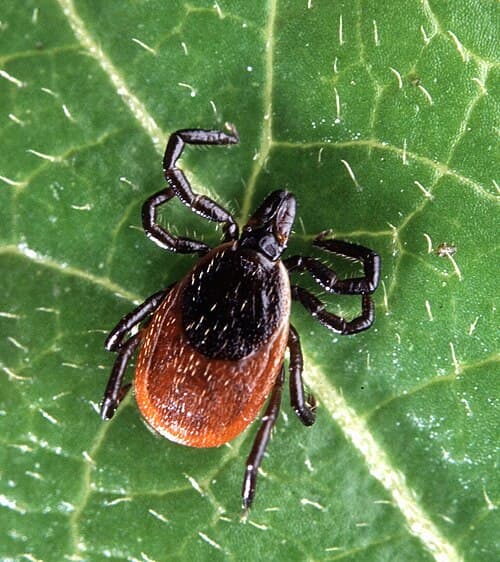
Most common carrier of Lyme disease. About the size of a sesame seed.

Range: Northeast, Midwest & Southeast US

Disease risk:

Lyme diseaseAnaplasmosisBabesiosisPowassan virus
American dog tick

American dog tick

Dermacentor variabilis

Prefers open areas with little tree cover. Active April–August.

Range: East of Rocky Mountains, Pacific Coast

Disease risk:

Rocky Mountain spotted feverTularemia
Brown dog tick

Brown dog tick

Rhipicephalus sanguineus

Unique among ticks — can complete its lifecycle indoors. Primary host is dogs.

Range: Worldwide, throughout US

Disease risk:

Rocky Mountain spotted feverCanine ehrlichiosis
Lone star tick

Lone star tick

Amblyomma americanum

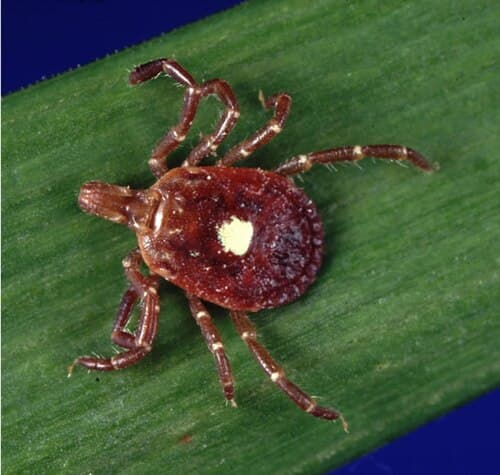
Females have a distinctive white spot on their back. Very aggressive biters.

Range: Southeast & Eastern US

Disease risk:

EhrlichiosisSTARIHeartland virusBourbon virus
Rocky Mountain wood tick

Rocky Mountain wood tick

Dermacentor andersoni

Found in shrubland and along trails at elevations of 4,000–10,500 ft.

Range: Rocky Mountain states

Disease risk:

Rocky Mountain spotted feverColorado tick feverTick paralysis
Gulf Coast tick

Gulf Coast tick

Amblyomma maculatum

Found in open grasslands and coastal habitats. Range is expanding northward.

Range: Coastal areas of Southeast US, expanding inland

Disease risk:

Rickettsia parkeri rickettsiosis